
Mushrooms
via Daily Nature Photo -- The Nature Conservancy http://feedproxy.google.com/~r/DailyNature/~3/P2mrSYRpHcU/mushrooms.html |


 Fast food offers a cheap and calorie-rich option to fill your stomach, but can it be considered the "most bountiful food" of all time? The Freakonomics authors and radio broadcasters are asking just that question after receiving a comment from a reader named Ralph Thomas. He asserts that a McDonald's double burger is, "at 390 Calories, 23g (half a daily serving) of protein, 7% of daily fiber, 20% of daily calcium and iron, etc., is the cheapest, most nutritious, and bountiful food that has ever existed in human history." The statement so intrigued the Freakonomics team, that they put the subject up for debate on their website.   Read the rest of Economists Debate Whether the McDonald's Hamburger is the Most Nutritious and Inexpensive Food in Human History via INHABITAT http://inhabitat.feedsportal.com/c/34923/f/648037/s/3044f92d/sc/14/l/0Linhabitat0N0Ceconomists0Edebate0Ewhether0Ethe0Emcdonalds0Ehamburger0Eis0Ethe0Emost0Enutritious0Eand0Einexpensive0Efood0Ein0Ehuman0Ehistory0C/story01.htm |

The FDA has announced that it will be studying the effects of nutrient-content claims on consumers attitudes about food products.FDA does not encourage the addition of nutrients to certain food products (including sugars or snack foods such as [cookies] candies, and carbonated beverages). FDA is interested in studying whether fortification of these foods could cause consumers to believe that substituting fortified snack foods for more nutritious foods would ensure a nutritionally sound diet.Here's one of my favorite examples of what the FDA is talking about. 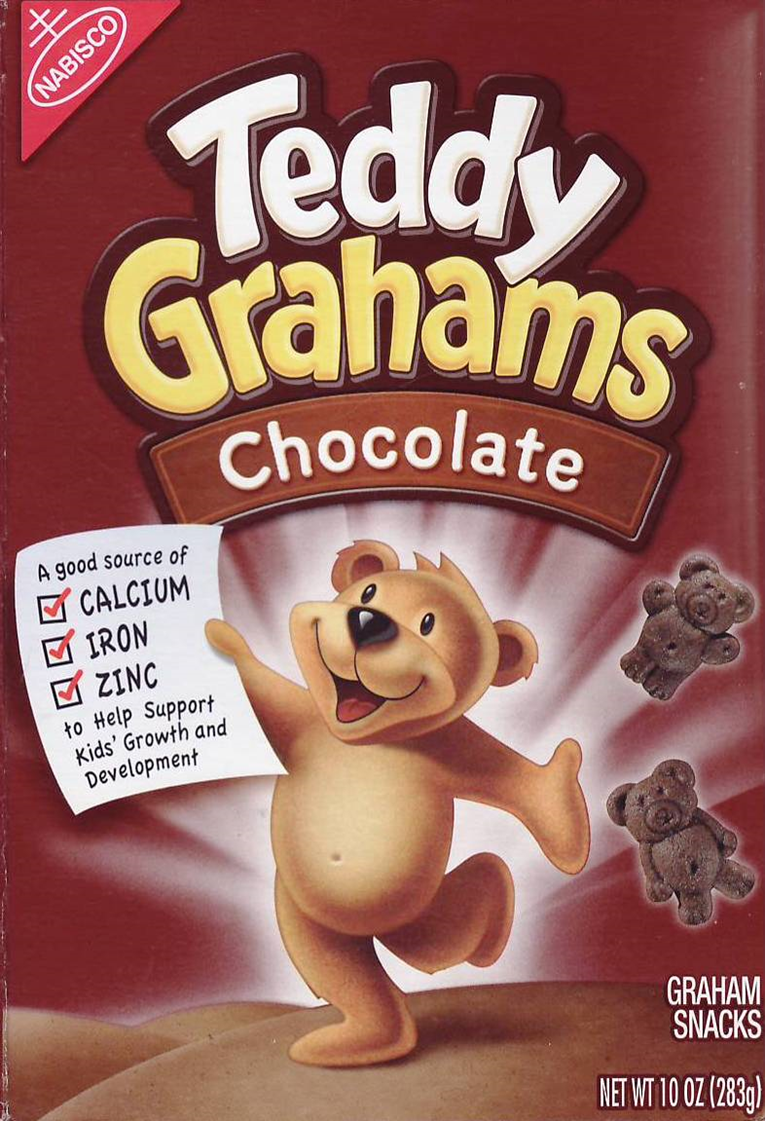 I'm guessing the FDA's new research project is a response to increasing pressure from food companies to be allowed to add nutrients to cookies, candies, and soft drinks. Food marketers know perfectly well that nutrients sell food products. The whole point of doing so is to be able to make nutrient-content claims on package labels. The FDA has never been happy about the practice of adding nutrients to junk foods just to make them seem healthy. Its guidance includes what is commonly known as the "jelly bean rule." You may not add nutrients to jelly beans to make them eligible to be used in school lunches. But this does not stop food manufacturers—especially soft drink manufacturers—from trying. Hence: Vitamin Water (now owned by Coca-Cola). Plenty of research demonstrates that nutrients sell food products. Any health or health-like claim on a food product—vitamins added, no trans fats, organic—makes people believe that the product has fewer calories and is a health food. As I keep saying, added vitamins are about marketing, not health. via Food Politics http://www.foodpolitics.com/2013/08/fda-study-do-added-nutrients-sell-products-of-course-they-do/ |

 Remember when you were a kid and the worst thing about art day was those terrible Magic Markers. They gave you all those crappy off colors, smelled funny, and scratched terribly against paper when they were dry. Worst yet you had to toss out all that plastic once you were done with them. EcoSmart World has something better in mind with their eco-friendly markers that you can even refill.   via INHABITAT |


